Creating your promotion plan


Building your successful Canadian food brand takes logic and emotion
There has never been a better time for Canadian food producers and processors to get their products to the shelf. Consumers want these products, which means retailers are more willing than ever to work with Canadian suppliers. There are many factors that impact a consumer’s decision to buy. Price, product performance, specific attributes such as gluten free or organic can all impact which product is selected off the shelf and put into the shopping cart. One factor that can have a major influence is emotion. This is difficult to elicit, but when it happens it can be very powerful.
Buy Canada is having a moment you don’t want to miss
Despite inflation and people focused on finding opportunities to reduce their grocery bill, they are still looking for Canadian products.
In the last 18 months Canada’s biggest trading partner has taken a more protectionist approach to trade and adopted an America First strategy. This has generated an emotional response from Canadians and one place they can demonstrate support for Canada, is in the grocery store. Many shop each week and they can select Canadian products to support Canadian business. Despite inflation and people focused on finding opportunities to reduce their grocery bill, they are still looking for Canadian products.
A great product is just the start
Getting on the shelf is a major accomplishment. Producers and processors should celebrate this achievement. To stay on the shelf, products must sell. Retailers have expectations for sales and each product must meet or exceed these expectations to maintain this valuable real estate. A great product is not all you need to get on the shelf. Producers and processors need to give consumers compelling reasons to pick up their product, over all the others in the category. A promotion plan is an integral component of a successful product in retail. This detailed plan will provide products with the best chance of success in a challenging environment.
The purpose of the promotion plan is to grow your baseline sales, which are defined as the sales you do when you are not on promotion. Invest in promotions to get attention and entice people to buy your products, so they become loyal consumers to your brand.
A promotion plan includes all the tactics and initiatives with your customers and consumers to drive sales. There are many different opportunities available to producers and processors to develop relationships with both the retailers who buy their products and the people who use them. Key components for any producer or processor in Canada can relate to the Buy Canadian sentiment in the market. Never assume customers and consumers know your product is Canadian.
Build your budget before choosing tactics
The starting point for any promotion plan is the budget. There is no magic number for how much brand owners need to spend on promotion. New products might require more investment than established products and some categories are much more price sensitive than others. Often small to medium sized producers and processors are challenged to afford the same budget as the large multinational companies, who enjoy economies of scale. Once you consider what is affordable in your selling price and how much is required for your specific item in your specific category, you have to determine your annual budget for promotion. Often this is a percentage of your total sales. If you forecast to sell 4,000 cases of product, with 12 in the case and a regular selling price of $6.25 per unit your annual sales should be $300,000.
4,000 x 12 x $6.25 = $300,000
After you analyze your cost of goods and other expenses in your business, you believe you can spend 24% of your selling price on sales and marketing or promotion. Using our example, you have a budget of $72,000 for the year. It’s a good practice to monitor actual sales vs your projection to ensure the amount you’re spending will deliver the results you need. In other words, if sales are falling below forecast, you might need to reduce the expenditures on promotion.
Connect with your customers using marketing themes
With an annual budget calculated, it’s time to build the plan. Prior to diving into the tactics, we recommend you determine the themes you want to focus on throughout the year. Some brand owners like to change the theme every month and others might rely on four quarterly themes. Other products are very seasonal and the opportunity is best in specific weeks prior to holidays or events. Determine what is right for your products and plan your themes.
Themes should focus on the best opportunities where consumers will want to buy your products. Your themes should reinforce the value proposition you have. In recent months this might include your Canadian ingredients or the fact your product and your business are 100% Canadian. Educating customers and consumers about this can generate the emotion you are looking for, to get the attention you need.
Balance trade spend and marketing spend
With a budget and themes in place you can focus on the tactics. There are many different opportunities to invest your money. We break them into two categories; trade spend and marketing spend.
Trade spend are the amounts you invest with your customers in ads, in store specials, loyalty programs and other initiatives.
Marketing spend are the investments you make talking directly to consumers such as social media, mass media and public relations. Every tactic should be considered to ensure you have the most effective plan in place.
Promotion is an investment, not an expense
Notice we have used the word ‘investment’. When you are spending money in your promotion plan you need to think of it as an investment where you expect a return. The return should be growth in your baseline sales. When you can achieve baseline sales growth your volume will continue to increase and your product should meet or exceed the expectations of your customers.
There are many opportunities for Canadian products to stand out on the shelf and entice consumers to buy. Be proactive and find the tactics that will create an emotional response in consumers that will get them to pick up your product and put it in their shopping cart.


Peter Chapman
Retail Marketer, Author, Speaker & Consultant
Peter Chapman understands how large retailers make decisions. His company, SKUFood, provides services to producers and manufacturers who want to increase their sales to large, centrally structured retailers or specialty retailers. Benefit from this valuable insight as Peter helps you understand your customers and how to sell more products to them. Peter is a regular contributor to FCC Knowledge and speaks at FCC events.
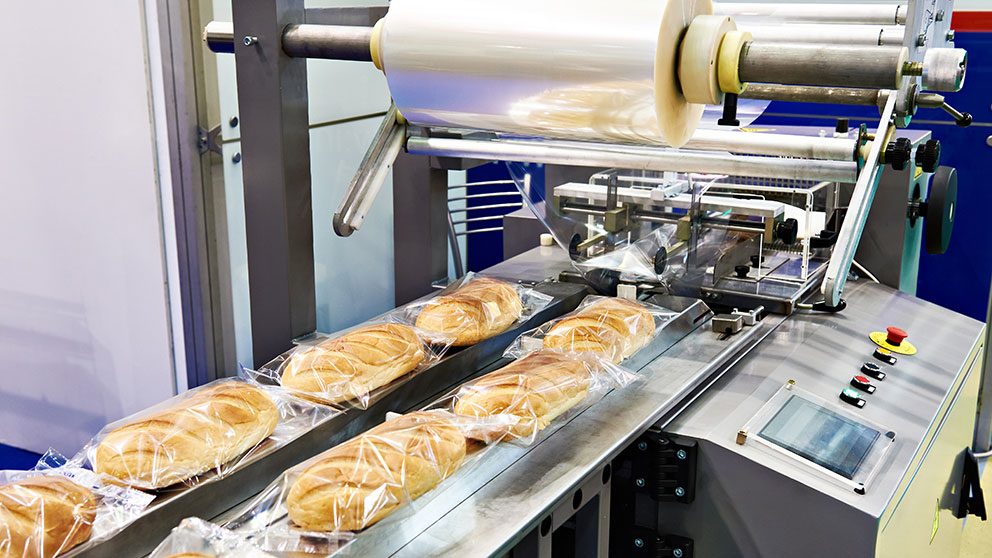
Choosing the right package can make a difference for your product. Here’s what to consider to create the right one.


Let's talk and see if our financing might be right for you. Contact your local Corporate and Commercial team to see how we can help.


Need strategies for selling products? Get Peter Chapman’s working with retailers playbook.