Do you have the 2 budgets your farm needs?


A budget is a plan for the future, yet the unpredictability of farming makes it tough to produce an accurate forecast. There’s an endless list of expenses that can arise: What will crop prices be? Will my herd get sick? Will I need equipment repairs or purchases?
It’s questions like these that make budgeting for farms complex. Many producers say planning for the unexpected is their biggest challenge when it comes to budgeting.


Source: Poll results from Mastering Your Farm Budget webinar
Why do you need a budget for the farm?
While the unpredictability of farming makes it tough to plan, that uncertainty is one of the biggest reasons to build and monitor your budget. When you have a comprehensive understanding of the numbers of your farm business paired with a regularly reviewed budget, you’re in a better position to respond to the unexpected and make informed decisions with confidence.
Two budgets to use for cash flow management success
Establishing budgets, even simple ones, is a critical first step in cash flow management – the lifeblood of any farm business.
Audrée Morin, a Business Advisor at FCC, says a strong operating budget should become your goal post for the upcoming year, while the monthly cash flow budget provides the clarity you need to achieve the year-end goal.
“The operating budget and monthly cash flow will be the catalyst to help you decide where you want to dig deeper into your operation and have a pulse on your year-end success,” Morin says.
The two most important tools in cash flow management are the operating budget and the cash flow budget. Together, they provide a comprehensive view of your financial situation, allowing you to monitor your cash flow, identify potential issues, and take proactive measures to ensure you have sufficient cash on hand to meet your obligations and pursue growth opportunities.

Operating budget
An operating budget focuses on the day-to-day operations of the farm and answers the question, “Will I be profitable?” It projects your revenue and expenses over a certain period, typically a year, using accrual accounting principles. That means the operating budget reflects the expected revenues and expenses as they are anticipated to be earned or incurred during the budget period, regardless of cash flow timing. It allows you to set financial goals, allocate resources, and make informed decisions about your operations.
For a full step-by-step guide to building your operating budget, explore Sowing success: Effective cash flow management from the Manage Your Farm Finances course series.
Cash flow budget
Operating budgets ensure you have enough money to cover operational costs and pay your debts. However, they don’t paint the full picture of your cash position. This is where a cash flow budget comes in.
Cash flow budgets track the timing of cash inflows and outflows and answer the question, “Will I have enough cash when I need it?” Knowing the timing of your cash flow allows you to anticipate and plan for potential cash shortages or surpluses.
For a full step-by-step guide to building your cash flow budget, plus strategies for managing your cash flow, explore Sowing success: Effective cash flow management from the Manage Your Farm Finances course series.
Tips for success
Record
Whether it’s spreadsheets or farm accounting software like AgExpert, document your operating and cash flow budgets so you can better track and communicate the position of your farm business.
Build
You can get more detailed with the budgets as you get the hang of it. Break your operation out by enterprise, barn, or whatever division works best for you. Be careful not to get carried away. If you are too detailed, keeping a cash flow budget becomes too big and overwhelming – you may have a tough time sticking with it.
Monitor
Regularly tracking cash and analyzing your budgets means you’ll not only be able to identify surpluses and shortages, but you’ll also build valuable insights to strengthen your resilience in future years.
Ready to get started?
Explore Sowing success: Effective cash flow management. In three simple online lessons, learn how to build operating and cash‑flow budgets and move from monitoring to effective oversight.
Article by: Allison Finnamore
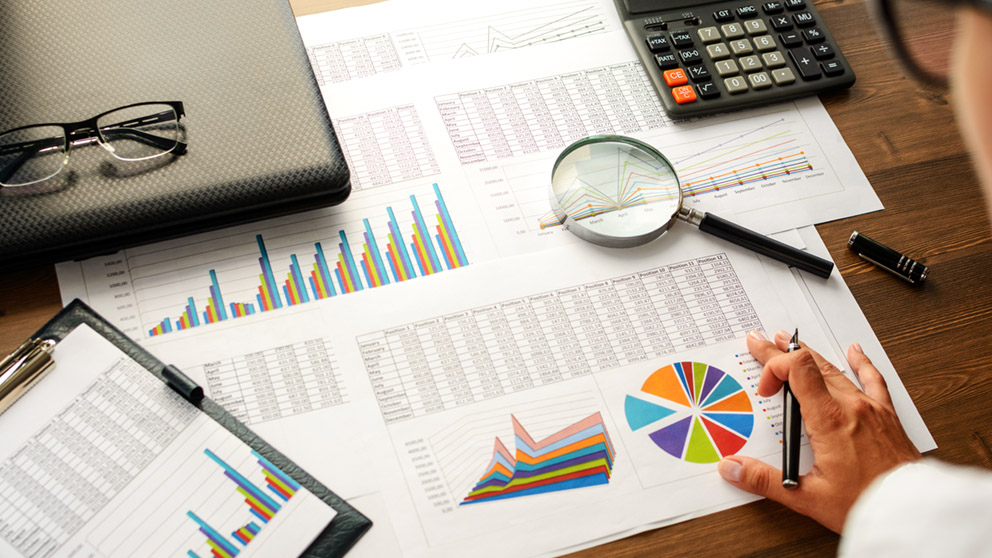
Financial forecasting by analyzing farm finances and predicting statements throughout the year may lead to increased profitability.
From cash flow planning to net worth statements, get the basics you need to prepare for a loan application.


In this quick, online unit, learn how the balance sheet, income statement, and cash flow statement connect and what they tell you about your farm’s financial health.