How to pay yourself without harming the farm


Paying yourself from the farm isn’t always straightforward, especially if your operation is incorporated. Draw too much, and you risk weakening the business. Draw too little, and you shortchange your family and security. Find balance using a mix of salary, dividends and other tools to give yourself a fair income while protecting the farm’s finances.
Salary vs. dividends
Paying yourself a salary (wages that create RRSP room but require payroll deductions) or dividends (profits paid to you as a shareholder, often taxed at a lower rate but without RRSP room), or a mix of both, depends on your financial goals.
“With wages, you’ve got deductions – the big one being Canada Pension Plan (CPP) contributions,” says Mike Bossy, chartered professional accountant with Bossy Nagy Group in Tillsonburg, Ont.
“With dividends, you don’t have payroll contributions like CPP, so it’s important to set aside savings,” Bossy says. “That’s when I suggest a Tax-Free Savings Account (TFSA). Your investments grow tax-sheltered, and you can contribute up to $7,000 per year, to a lifetime maximum of $109,000.”
If you invested $5,000 annually in a TFSA for 20 years with a modest 5% return, you’d accumulate about $165,000 completely tax free.
Tap funds smartly
Retained earnings and shareholder loans offer flexibility when used wisely. “Retained earnings are just the accumulated profits the business has had since it started,” Bossy says. “If I give you a $50,000 dividend but you only need $25,000, the company owes you the rest. After ten years, that’s $250,000 in your shareholder account.”
Estate freezes can also support succession and retirement. “You value the company and trade growth shares for freeze shares. If you buy back $50,000 of those shares, that creates a gain taxed at dividend rates.”
Plan with purpose
Good compensation planning supports personal goals and your farm’s future. “Cash is king. Drawing a living pulls cash from the business, so you have to manage it carefully,” Bossy says.
Balance living expenses with what the farm needs to cover debt, leases and reinvestment.
“You’ve got four buckets: the banker, leases and interest, personal living, and growth. The first two are fixed. Your living becomes fixed. What suffers? Growth. You need to decide what to sacrifice.”
The challenge isn’t just choosing salary or dividends. It’s ensuring your income doesn’t strain farm finances. Balance living expenses with what the farm needs to cover debt, leases and reinvestment. Paying yourself is vital, but pulling too much too quickly risks limiting expansion or even meeting obligations.
The right strategy protects both: steady income for you and healthy cash flow for the farm.
From an AgriSuccess article by Emily Leeson
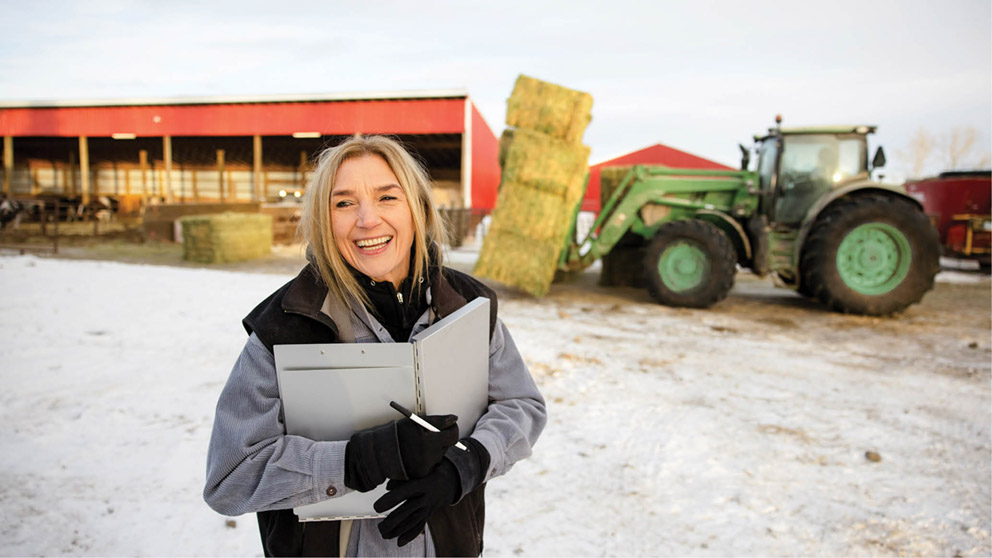
Separating business expenses from personal costs is critical to financial preparedness, but living on the farm creates a unique challenge. These tips will help ensure you know your costs.
From cash flow planning to net worth statements, get the basics you need to prepare for a loan application.


In this quick, online unit, learn how the balance sheet, income statement, and cash flow statement connect and what they tell you about your farm’s financial health.